

You catch it for half a second. Woodsmoke and cold air. And suddenly you are twelve years old, standing by a campfire in a place you have not visited in twenty years. The memory arrives fully formed. Not as a thought. As a feeling.
No photograph could do this. No song comes this close. Scent is the only sense that can collapse time entirely, pulling you into a past moment with a vividness that borders on hallucination. And the science behind why is as elegant as the experience itself.
The Direct Line
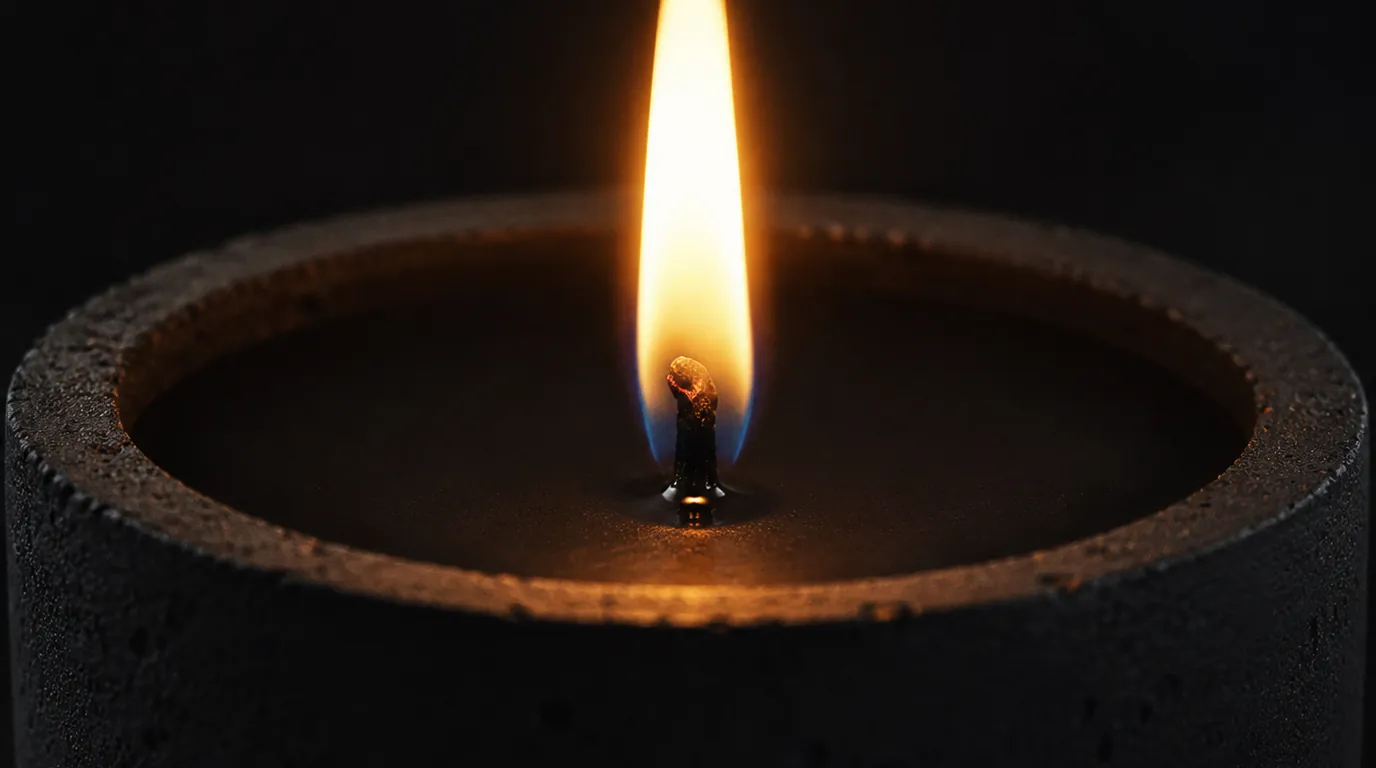
Every other sense you possess takes a scenic route through the brain. Sound, sight, taste, and touch all pass through the thalamus, a relay station that filters, processes, and distributes sensory input to the appropriate regions. By the time you consciously register what you see or hear, the signal has already been edited.
Smell skips this entirely. The olfactory bulb connects directly to the amygdala and the hippocampus: the brain's centers for emotion and memory formation. There is no filter. No editing. No delay. The scent arrives, and the memory fires.
This is why olfactory memories feel different from other memories. They are not recalled so much as relived. A visual memory feels like watching a film. A scent memory feels like stepping through a door.
Marcel Proust wrote an entire novel sequence built around this phenomenon. The taste and smell of a madeleine dipped in tea unlocked an entire childhood for his narrator. Neuroscience has since confirmed what Proust described. The link between scent and autobiographical memory is not literary fancy. It is anatomical fact.
Why Scent Memories Last
Most memories fade. The brain is an editor, not an archivist. It keeps what it considers relevant and lets the rest blur into approximation. Your memory of last Tuesday's lunch is already degrading. Your memory of what your grandmother's house smelled like when you were five is probably crystal clear.
Scent memories are resistant to decay because of how they are encoded. The amygdala tags them with emotional significance at the moment of creation. The hippocampus stores them with rich contextual detail. Together, these two regions create memories that are not just factual but felt.
Researchers at the Rockefeller University found that people can recall smells with 65 percent accuracy after a full year, compared to visual recall accuracy of about 50 percent after just three months. Other studies have shown that scent-triggered memories tend to be drawn from earlier in life, typically the first decade, suggesting that the most emotionally formative periods create the deepest olfactory impressions.
This is why the smell of sunscreen always means summer. Why petrichor means something specific to everyone who encounters it. Why a particular perfume can stop you in a crowded street and make you think of someone you have not seen in years.
First Scent, Last Memory
There is a phenomenon researchers call the "olfactory bump." When people are exposed to a list of smells and asked to describe the memories each one triggers, the memories cluster disproportionately in early childhood, between ages two and ten. Visual and auditory memories, by contrast, cluster in adolescence and young adulthood.
This means the scents you encountered earliest are the ones most deeply wired into your emotional architecture. The laundry detergent your mother used. The wood finish in your childhood home. The particular combination of cooking spices that meant dinner was almost ready.
These are not just memories. They are templates. They shape your scent preferences for life, often without your awareness. The reason you are drawn to a certain fragrance category, woods, florals, resins, smoke, often traces back to something you smelled before you had the language to describe it.
The Home as Memory Archive
Every home has a scent. Whether it is intentional or not, the combination of cooking, cleaning products, fresh air patterns, materials, and personal care products creates an olfactory identity that visitors notice and inhabitants do not.
Choosing a home fragrance, then, is not trivial. You are selecting the scent that will encode into the memories of everyone who spends time in your space. Your children will associate it with home. Your partner will associate it with comfort. Your friends will associate it with you.
This is a remarkable kind of power, and most people exercise it accidentally, defaulting to whatever candle was on sale or whatever plug-in air freshener seemed pleasant at the store. Imagine choosing the soundtrack of your home with that same level of indifference.
Designing with Scent Memory in Mind
If scent creates memory, then choosing a home fragrance is an act of future nostalgia. You are laying down the sensory foundation for moments that have not happened yet. The dinner parties, the quiet mornings, the conversations that go late into the evening.
This reframes the question from "what smells good?" to "what do I want this moment to feel like when I remember it?"
It also argues for consistency. A home that changes scent every month never builds a strong olfactory identity. A home that commits to a single, well-chosen fragrance over time creates something richer: a scent that becomes synonymous with safety, belonging, and presence.
The most memorable homes do not smell like many things. They smell like one thing, deeply and unmistakably.
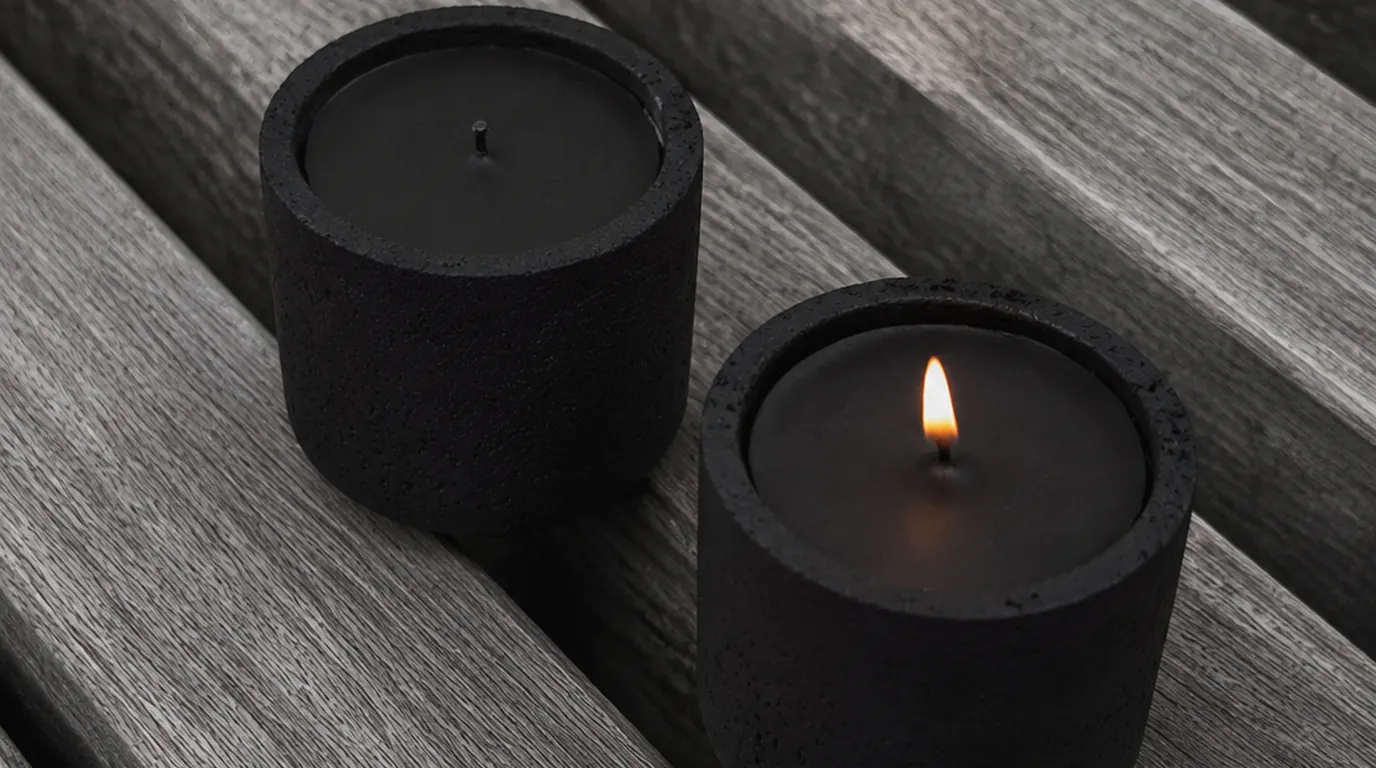
This is the argument for choosing one scent and staying with it long enough for it to attach to something. 01 Andromeda was made to be that sort of candle rather than a seasonal one. The case for a single scent in a home is in minimalist home fragrance.
The Science of Comfort
Scent's connection to the limbic system means it influences mood in ways that are measurable, not just anecdotal. Lavender genuinely lowers cortisol levels. Citrus genuinely elevates energy. Warm, woody notes genuinely promote a feeling of security.
These are not placebo effects. They are neurochemical responses. The brain processes the scent, references its memory bank and emotional associations, and adjusts your physiological state accordingly. If warm woodsmoke has always meant safety to you, your body will relax when it smells it. This happens faster than conscious thought.
Understanding this gives you a quiet tool for shaping your daily experience. A candle lit in the evening is not just ambiance. It is a signal to your nervous system that the day's urgency is over. Done consistently, at the same time, in the same room, with the same scent, it becomes a ritual. And rituals, neuroscience tells us, are among the most powerful regulators of human stress.
What Lasts
Objects break. Photographs yellow. Songs get overplayed until they lose their charge. But a scent, encountered unexpectedly after years of absence, delivers its memory with a force that nothing else in human experience can match.
This is why fragrance is not a luxury in the indulgent sense. It is a luxury in the original Latin sense: something that, once experienced, becomes difficult to live without. Not because it is excessive. Because it is essential to how you experience being alive.
Choose your scents with that in mind.
Lyra's 01 Andromeda is built to become part of your memory. Smoke, amber, sandalwood, and black pepper in a vessel designed to stay. lyracalifornia.com.