
candle care guide
the first burn
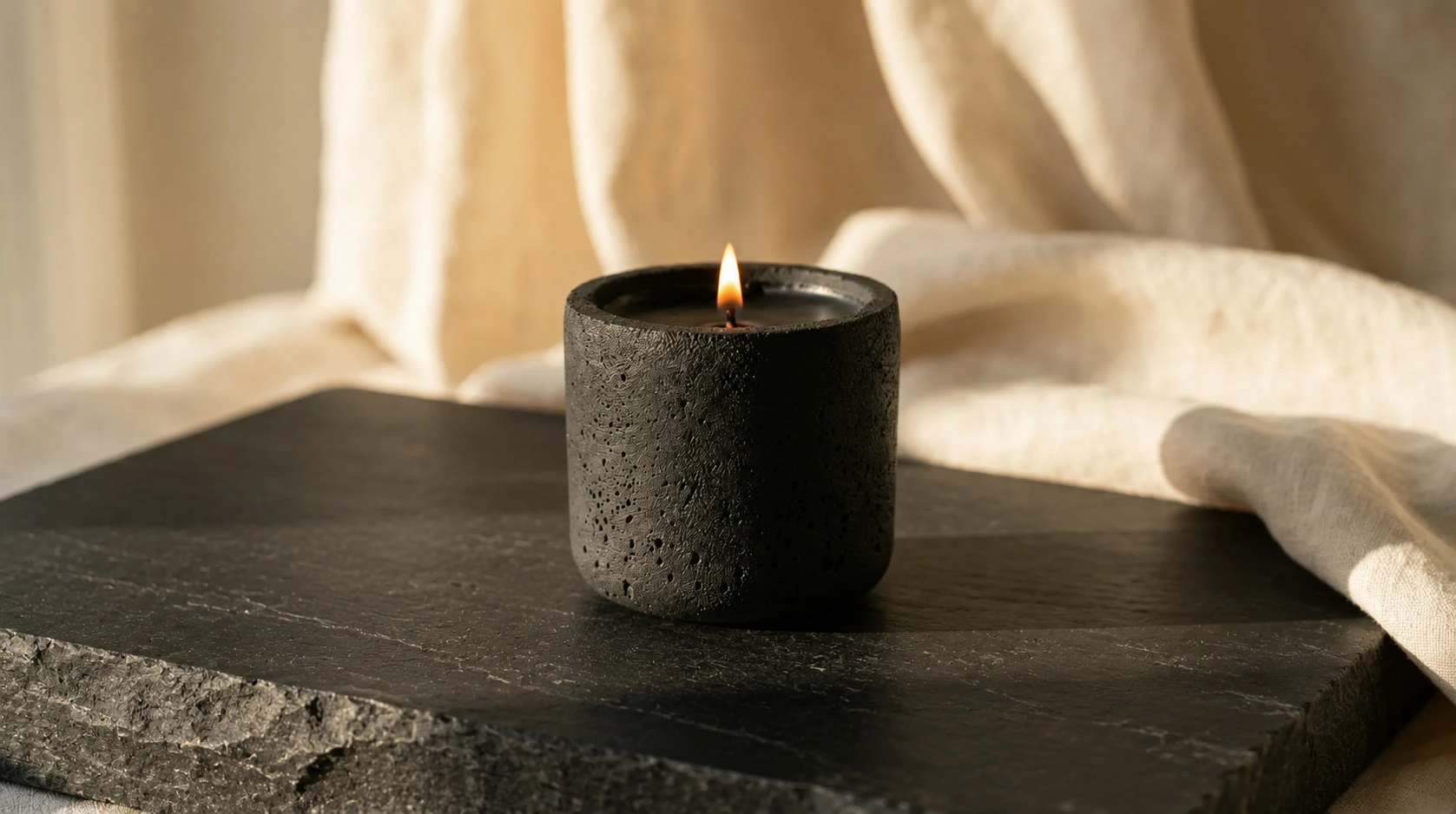
wax has memory. the first pool it makes becomes the shape of every burn after it.
give the first burn two to three hours, until the melted wax reaches the concrete edge. stop short and every burn after will follow that smaller circle.
every burn after
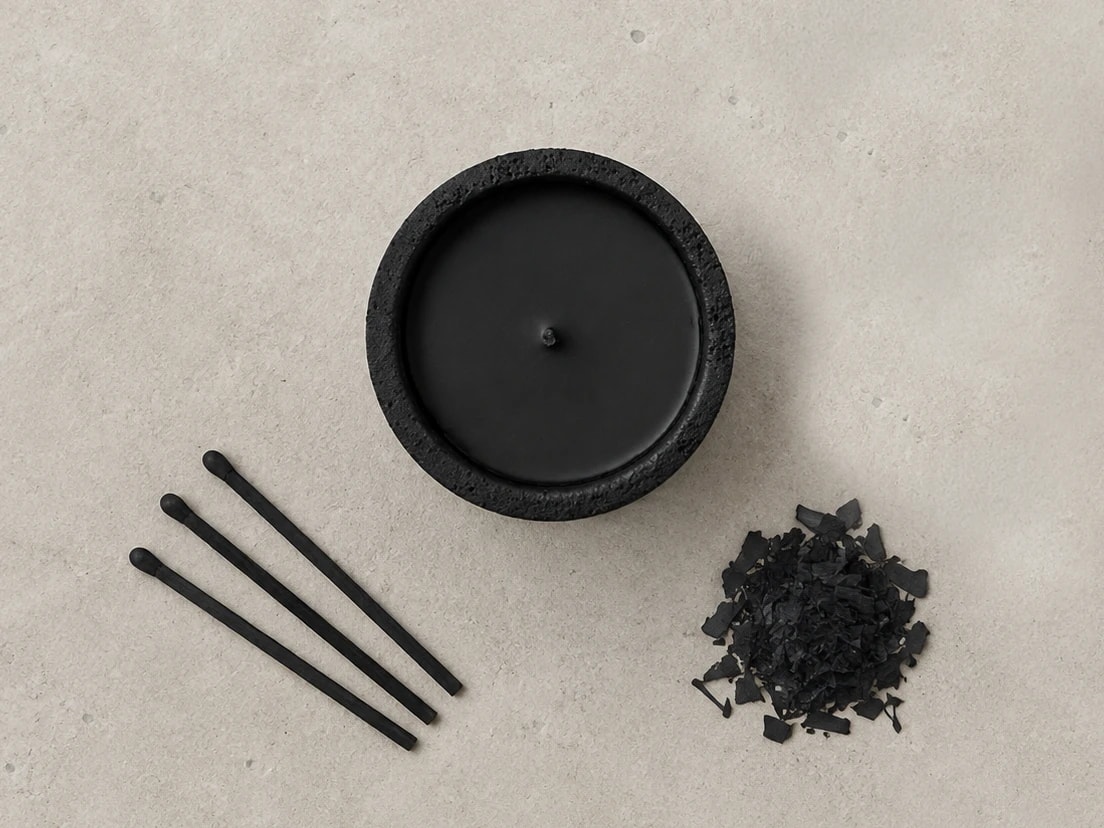
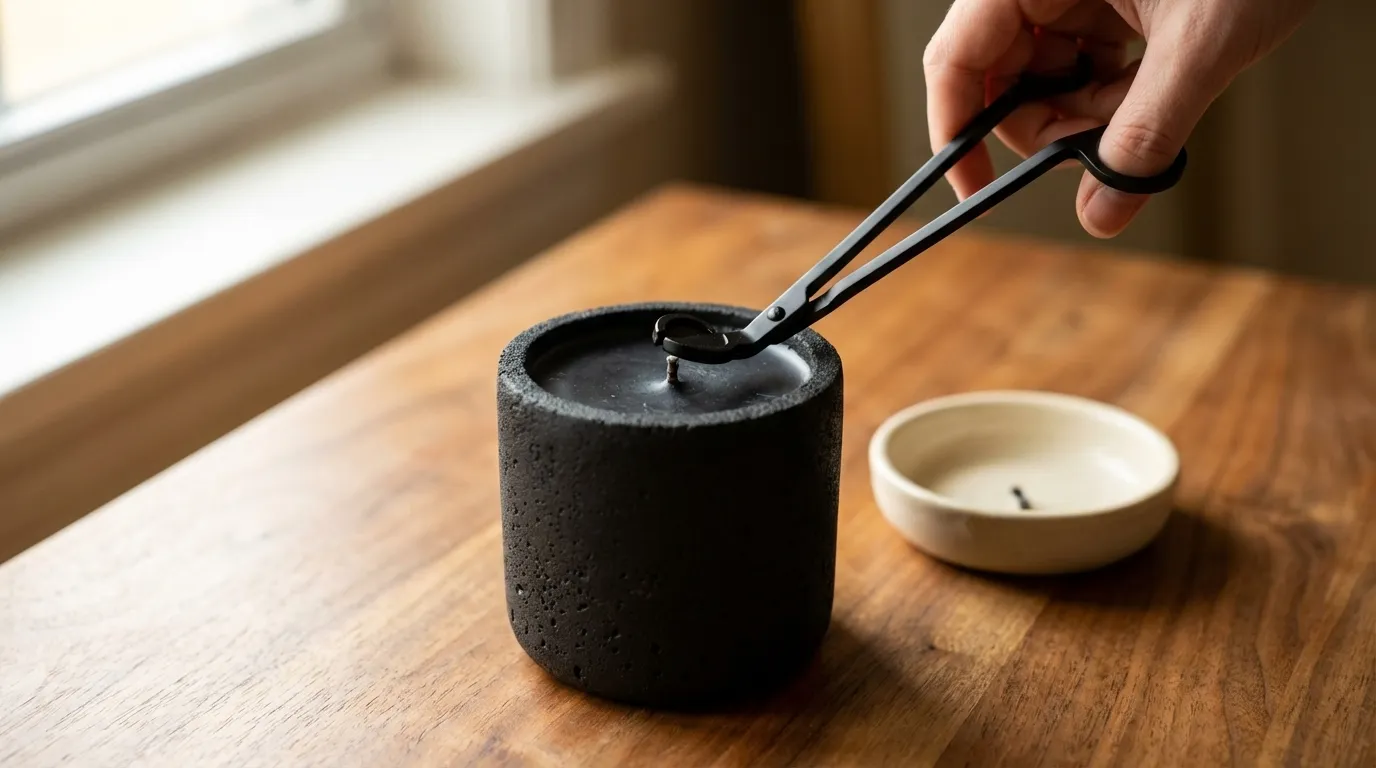
trim the wick to under a quarter inch before every burn. a trimmed wick makes a low, steady flame and a clean melt pool. a long one smokes and soots.
place it where the air is calm, and limit each burn to 3 hours. stop for good when about half an inch of wax remains. the candle ends there. the vessel does not.
if it tunnels: the foil fix
tunneling is a hole down the center with the edges left intact. it is the most common candle problem, and it can be fixed.
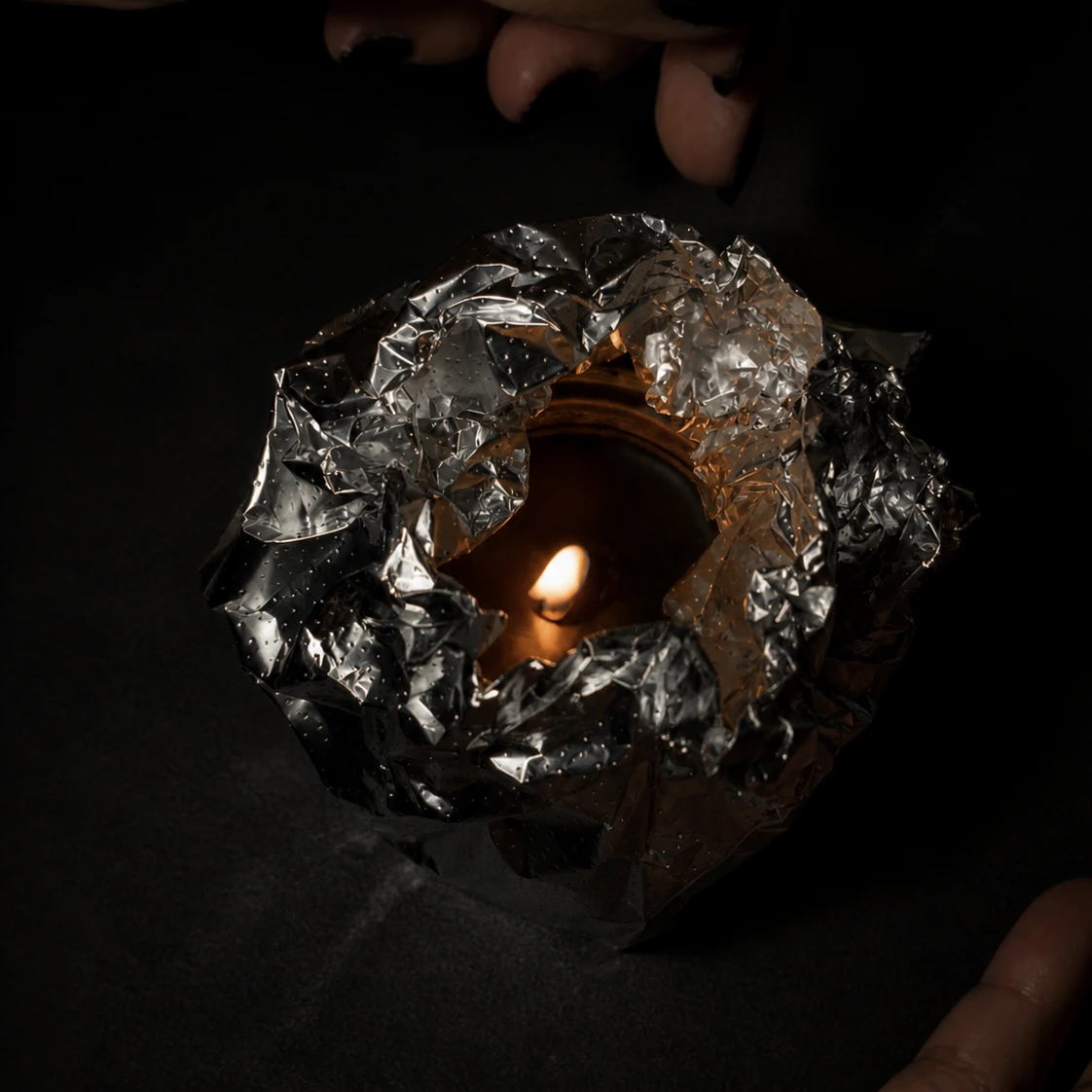
wrap a collar of aluminum foil around the top of the vessel, leaving a small opening about the size of a coin over the flame. burn for one to two hours.
the foil reflects heat back across the surface and melts the high edges. remove the foil, let it cool, trim the wick, and burn normally from then on.
the second life
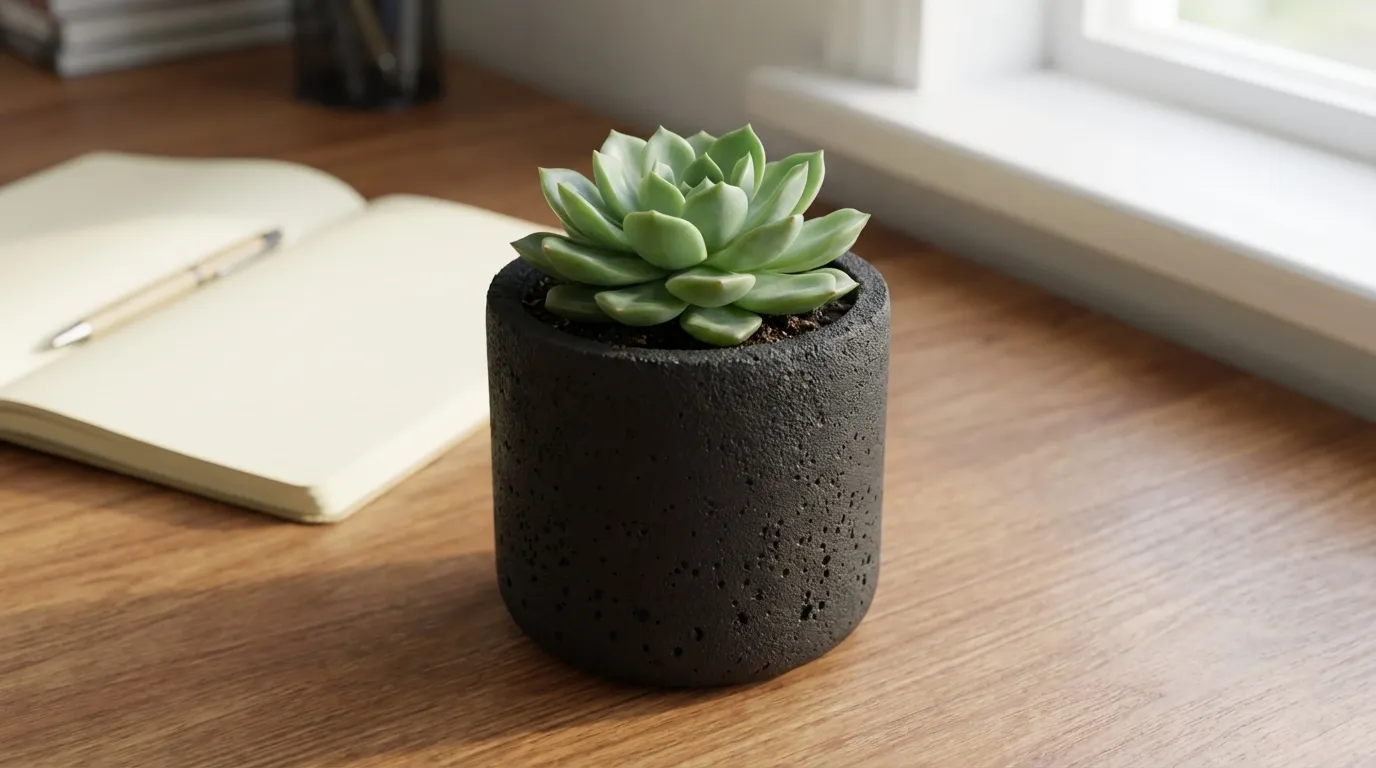
the vessel is hand-cast concrete, and it was designed to outlive the candle. when the wax is done, place the vessel in the freezer for two to three hours. the wax contracts and releases. wipe the inside clean with warm, soapy water.
what is left is a planter, an organizer, a quiet piece of architecture on your shelf.
questions
how long should the first burn be?
two to three hours, until the melted wax reaches the edge of the vessel. if the first burn stops short of the edge, every burn after it will follow that smaller circle and the candle will tunnel. give the first burn the full pool and the candle burns evenly for its whole life.
why is my candle tunneling?
the first burns were too short. if the wax does not melt all the way to the edge of the vessel, each burn after that follows the same smaller circle, and the ring of unmelted wax along the sides gets taller. burning two to three hours at a time, until the melted wax reaches the edge, prevents it.
my candle is tunneling. how do i fix it?
wrap a collar of aluminum foil around the top of the vessel with a small opening about the size of a coin over the flame, and let the candle burn for one to two hours. the foil reflects heat back across the surface and melts the high edges. remove the foil, let the candle cool, and burn normally from then on.
is candle tunneling dangerous?
usually not. it wastes wax and cuts the total burn time short. a deep tunnel can also drown the wick in melted wax and put it out, or leave the flame burning low inside the wax where it is hard to see. use the foil fix above before the tunnel gets deep.
how short should the wick be?
less than a quarter inch, trimmed before every burn, including the first. an untrimmed wick makes a tall flame that smokes, leaves black soot on the rim of the vessel, and burns through the wax and fragrance faster. trim it while the wax is cool, and take the trimmed piece out of the vessel so it does not sit in the wax.
why does the wick have a black ball on the end?
that is called mushrooming. when a wick is left too long, carbon builds up on the tip and forms a small black cap. a mushroomed wick burns with a larger, flickering flame and more smoke, and pieces of the cap can fall into the wax. trim the cap off and remove it before you light the candle again.
how long can i burn it at a time?
limit each burn to 3 hours. longer sessions overheat the melt pool, burn through the fragrance faster, and shorten the roughly 40 hours the candle holds.
when should i stop burning the candle?
when about half an inch of wax remains. below that, the thin layer of wax can overheat, and a very hot, shallow pool can catch fire across its whole surface. this is called flashover. it can also scorch the surface the candle is sitting on.
what do i do with the concrete vessel when the candle is finished?
keep it. place the vessel in the freezer for two to three hours. the remaining wax contracts and releases, then wipe the inside clean with warm, soapy water. the hand-cast concrete vessel was designed to outlive the candle: a planter, an organizer, a quiet piece of architecture on your shelf.