
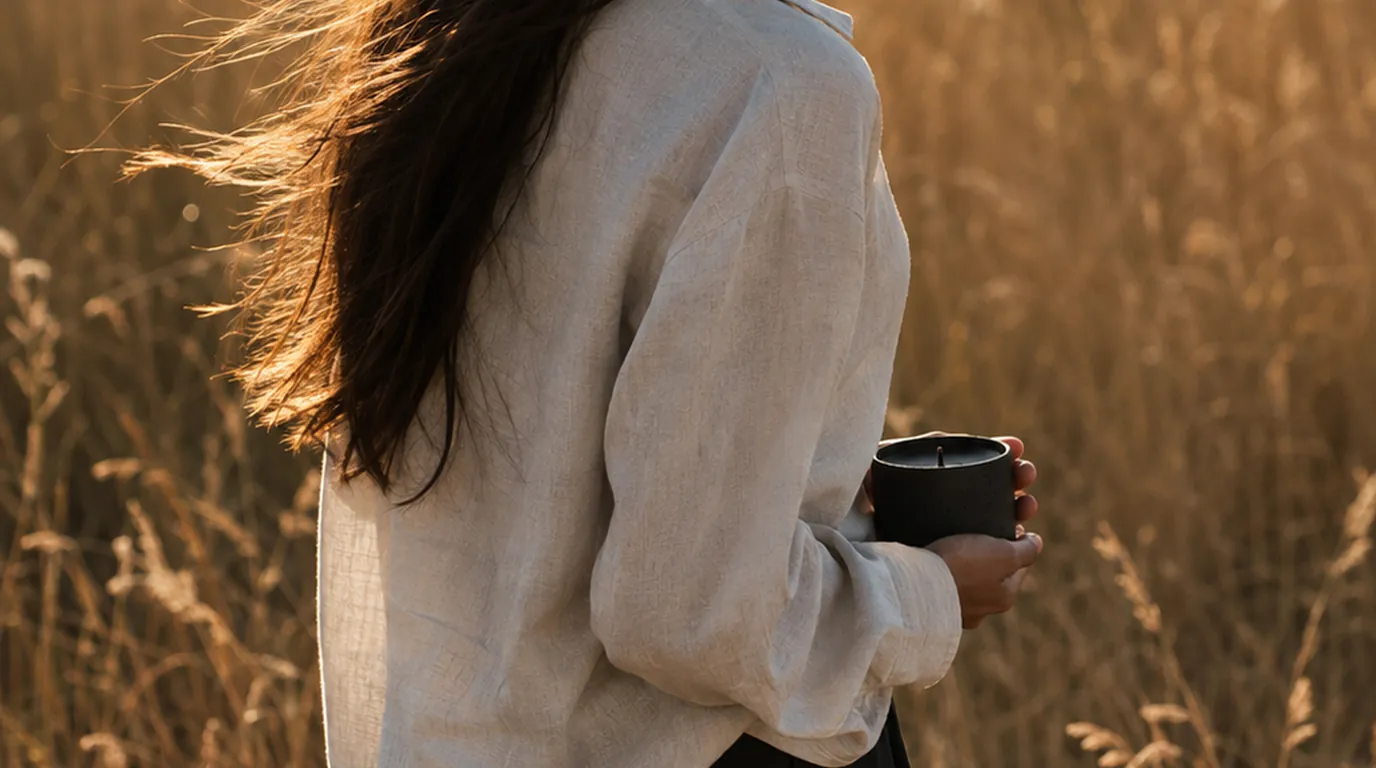
California has always been a place where people come to reinvent things. Film. Technology. Wine. Skateboarding. Wellness culture in its entirety. The state's default posture is to look at an existing industry, strip away the assumptions, and rebuild it with better materials and stranger ideas.
Candles are the latest beneficiary of this instinct.
The Landscape
Over the past decade, a generation of independent candle makers has emerged across California, concentrated in Los Angeles but scattered from San Diego to the Bay Area. They are not hobbyists selling at farmers markets, though many started that way. They are serious operators building brands that compete directly with the established European houses.
What unites them is a shared dissatisfaction with the candle market as it existed. Too much paraffin. Too many generic scents. Too many vessels designed for the recycling bin. Too little craft in a category that calls itself luxury.
The California makers started from a different set of assumptions. Clean ingredients, because the state's wellness culture demands it. Interesting vessels, because the design culture rewards it. Scents inspired by place rather than trend, because the landscape offers more material than any perfumer could exhaust in a lifetime.
The Climate Advantage
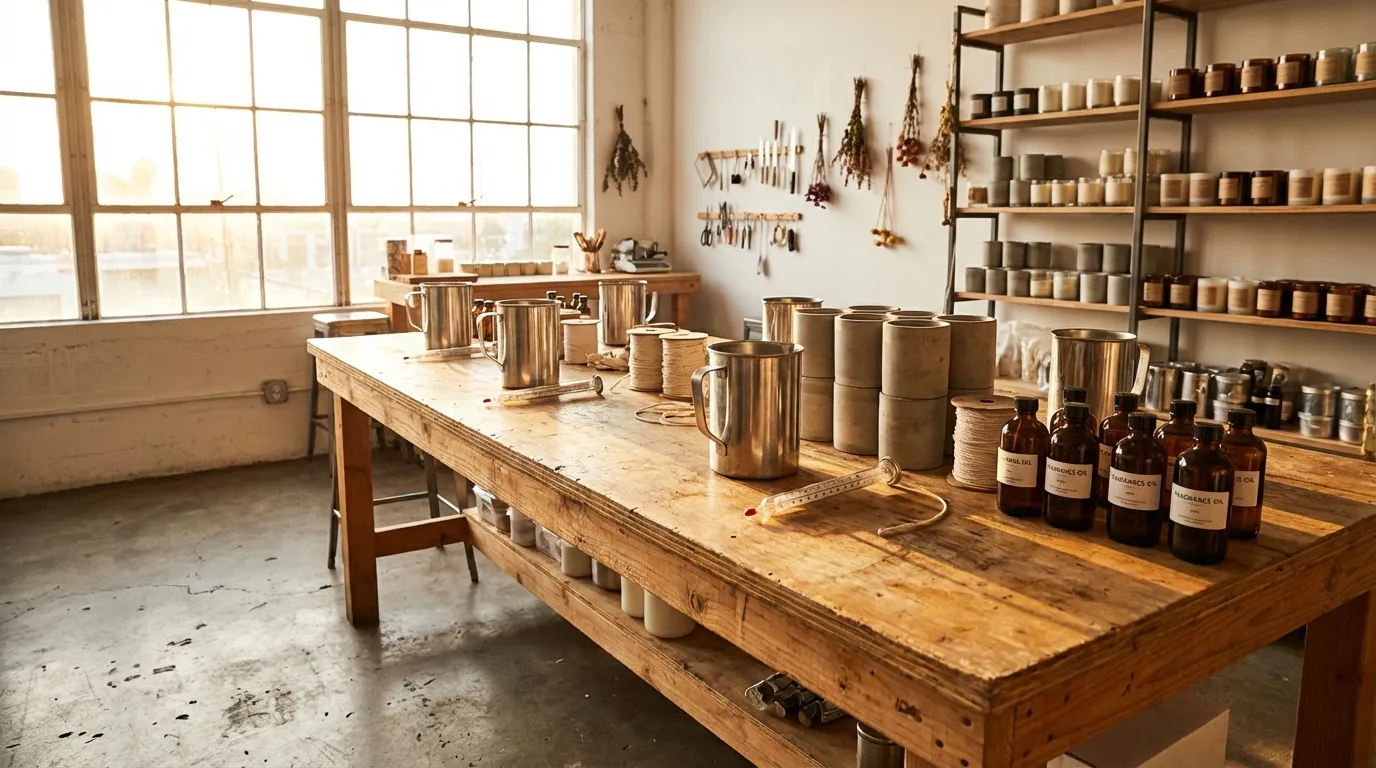
California's climate influences candle making in ways that are practical, not just poetic.
Soy wax behaves differently in dry heat than in humid environments. The low humidity of Southern California allows for longer, more stable cure times, which produces a more consistent bond between wax and fragrance. Candle makers working in the Bay Area's cooler, foggier conditions report different curing characteristics and adjust their processes accordingly.
The dryness also affects scent perception. Fragrance carries differently in arid air. Scents that might feel heavy in a humid Southern climate read as balanced in California. This means California-made candles often have fragrance profiles calibrated for an environment that is naturally less competitive with the scent. They tend to be more nuanced, more layered, because the air gives them room to be.
The Scent Palette
The scents coming out of California's candle studios reflect the state's geography with a specificity that European-legacy brands cannot match.
You find candles that smell like the chaparral after rain: sage, dry earth, and ozone. Candles that capture the redwood understory: fern, damp bark, and the sweet decay of fallen needles. Candles that evoke the desert at dusk: creosote, warm stone, and the faint sweetness of blooming cereus.
These are not scents you will find in a Parisian perfumer's catalog. They are local in the truest sense, drawn from a landscape that California makers live inside, not one they visit for inspiration.
The best California fragrance profiles also tend toward the smoky and the warm. This reflects the state's fire culture, its barbecue tradition, its outdoor evening life. There is a persistent note of campfire in California's olfactory identity that surfaces naturally in the candles its people make.
Craft and Scale
The tension between craft and scale is alive in California's candle scene. Some makers have stayed deliberately small, pouring by hand in their studios and selling direct. Others have grown into mid-size operations, hiring teams and expanding into retail partnerships.
The ones that maintain quality through growth tend to share a trait: they never let go of the pour. Even as they scale production, the founder or a trained partner still pours every batch. The temperature is checked manually. The wicks are centered by hand. The cure is monitored, not estimated.
This does not mean small is automatically better than scaled. It means the maker's involvement at the production stage is the quality variable that matters most. A candle poured by someone who cares about it will outperform a candle poured by a machine that does not.
The Vessel Conversation
California's candle makers have led the shift toward reusable, design-forward vessels. The state's design culture, heavily influenced by mid-century modernism, Japanese aesthetics, and the indoor-outdoor lifestyle, naturally rejects disposability.
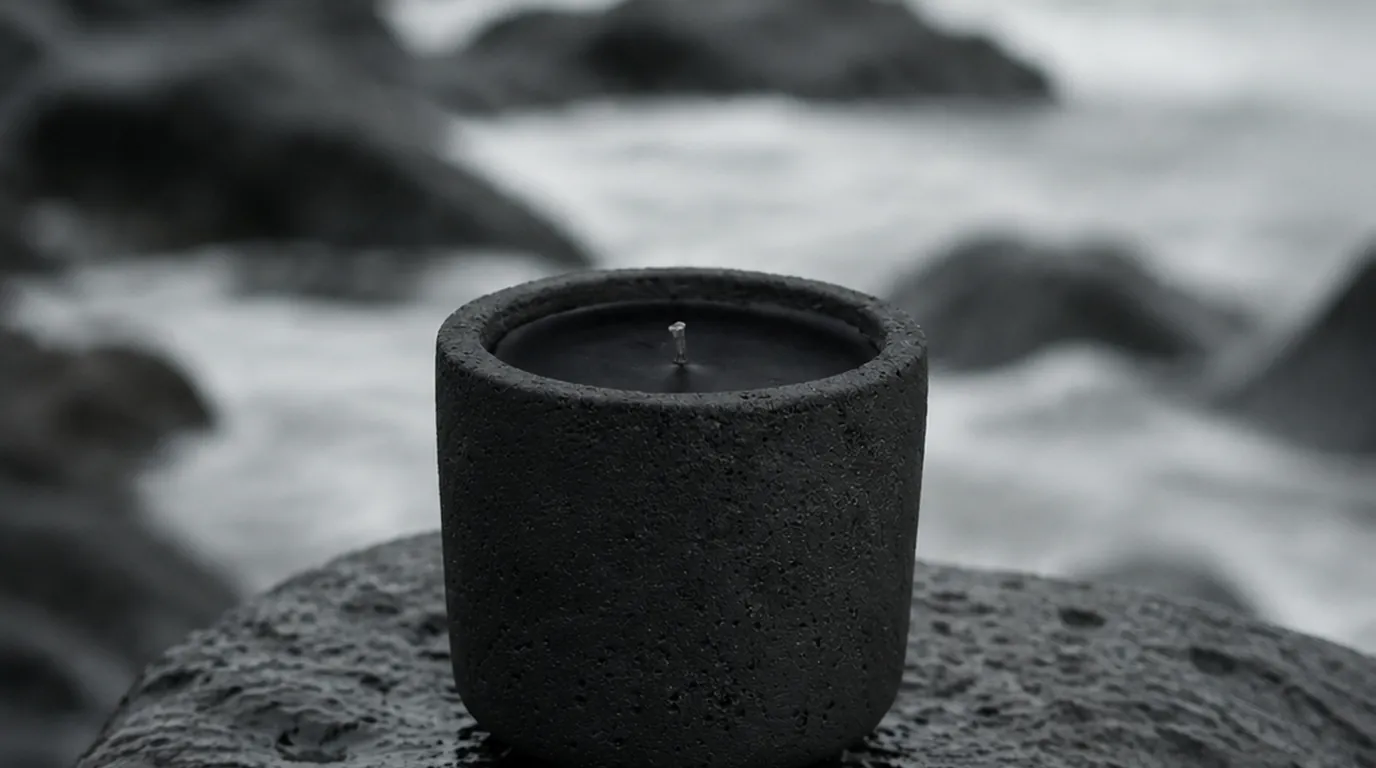
Concrete is a favorite material, partly because it resonates with California's architectural heritage: the Case Study Houses, the aqueducts, the freeway infrastructure that defines the state's visual identity. Ceramic is common too, often sourced from local ceramicists who create vessels in collaboration with the candle maker.
The best California candle vessels share a quality of restraint. They are not ornate. They do not draw attention to themselves through pattern or color. They are, for lack of a better word, quiet. Their beauty is in their proportion, their weight, their relationship to the surface they sit on.
Lyra pours 01 Andromeda by hand in Los Angeles, in batches small enough that every vessel is looked at before it ships. What that constraint costs and what it buys is the subject of small batch versus mass produced.
Direct-to-Consumer Culture
California's candle renaissance runs largely on direct-to-consumer sales. The makers sell through their own websites, their own Instagram accounts, their own pop-up events. They control the brand experience from pour to purchase.
This model works because it allows the story to travel with the product. When you buy a California candle from its maker, you know who poured it, where it was made, what is in it, and why it exists. That transparency is both a marketing strategy and a genuine reflection of how these businesses operate.
It also keeps prices honest. Without wholesale markups, retail margins, or the overhead of a brick-and-mortar presence, the direct-to-consumer candle can use better materials at a lower price point than the legacy brands that route through department stores and specialty retailers.
What the Established Houses Miss
Diptyque was founded in 1961. Byredo in 2006. Le Labo in 2006. These are excellent brands with decades of perfumery expertise. But they are also European houses with global ambitions, and global ambitions require standardization.
California's independent makers do not have global ambitions. They have local ones. This frees them to do things the large brands cannot: change a fragrance based on seasonal inspiration, experiment with vessel materials that do not scale, collaborate with individual artists on limited runs, and build relationships with customers whose faces they actually recognize.
The established houses will always have the advantage of name recognition and distribution. California's independent candle makers have the advantage of authenticity. In a market that increasingly values knowing where something comes from and who made it, that advantage is growing.
The Quiet Movement
There is no association. No manifesto. No collective brand. California's candle renaissance is less a movement than a convergence of individual makers who arrived at similar conclusions independently: that candles can be better, that vessels can be kept, that scent can be specific to a place rather than generic to a market, and that the consumer deserves transparency about what they are burning in their home.
It is a quiet revolution. Which is appropriate. The best candles, like the best revolutions, do their work in the low light.
Lyra is hand-poured in California. Black soy wax, concrete vessel, clean fragrance. Part of a tradition that started with the land. lyracalifornia.com.