
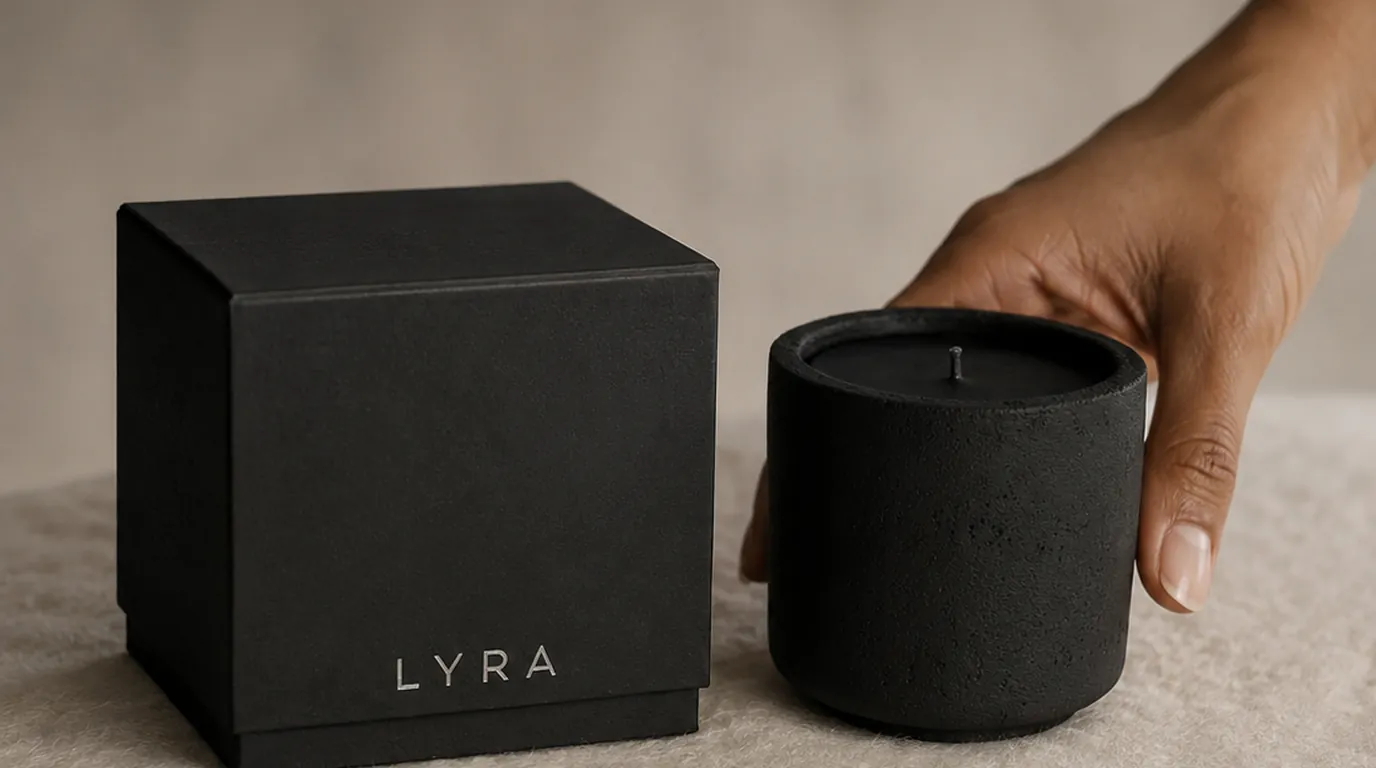
A candle is the most given and least considered gift in the Western world. It occupies the same territory as a bottle of wine or a box of chocolates: safe, inoffensive, and unlikely to provoke any response stronger than a polite thank you.
This is a shame. Because a truly well-chosen candle is one of the most intimate and thoughtful gifts you can give. You are selecting the scent of someone's private space. You are choosing the light they will sit by. You are placing an object on their shelf that they will see every day and interact with on the most sensory level possible.
The problem is not the gift. The problem is how most people choose it.
Why Candles Get a Bad Reputation as Gifts
Walk into any department store in November and you will see walls of candles packaged specifically for gifting. They come in sets. They come in holiday colors. They come wrapped in cellophane with bows. They smell like "Winter Wonderland" or "Fresh Linen" or "Warm Vanilla." They cost between eight and fifteen dollars.
These are not gifts. These are placeholders. They say "I needed to bring something and this was near the checkout." The recipient knows it. You know it. Everyone pretends otherwise.
The result is that candles, as a gift category, have been devalued by their own ubiquity. When someone says "I got them a candle," the implied subtext is "I did not think very hard about this."
Reclaiming the candle as a meaningful gift requires doing the one thing the department store candle eliminates: thinking.
How to Choose a Candle for Someone Else
The first rule is to forget what you like. This gift is not about your nose. It is about theirs.
Consider their space. A candle for a small studio apartment needs restraint. A subtle, complex scent in a modest-sized vessel. A candle for a house with high ceilings and open floor plans can afford more presence. Think about where the candle will likely live, a nightstand, a coffee table, a bathroom shelf, and choose accordingly.
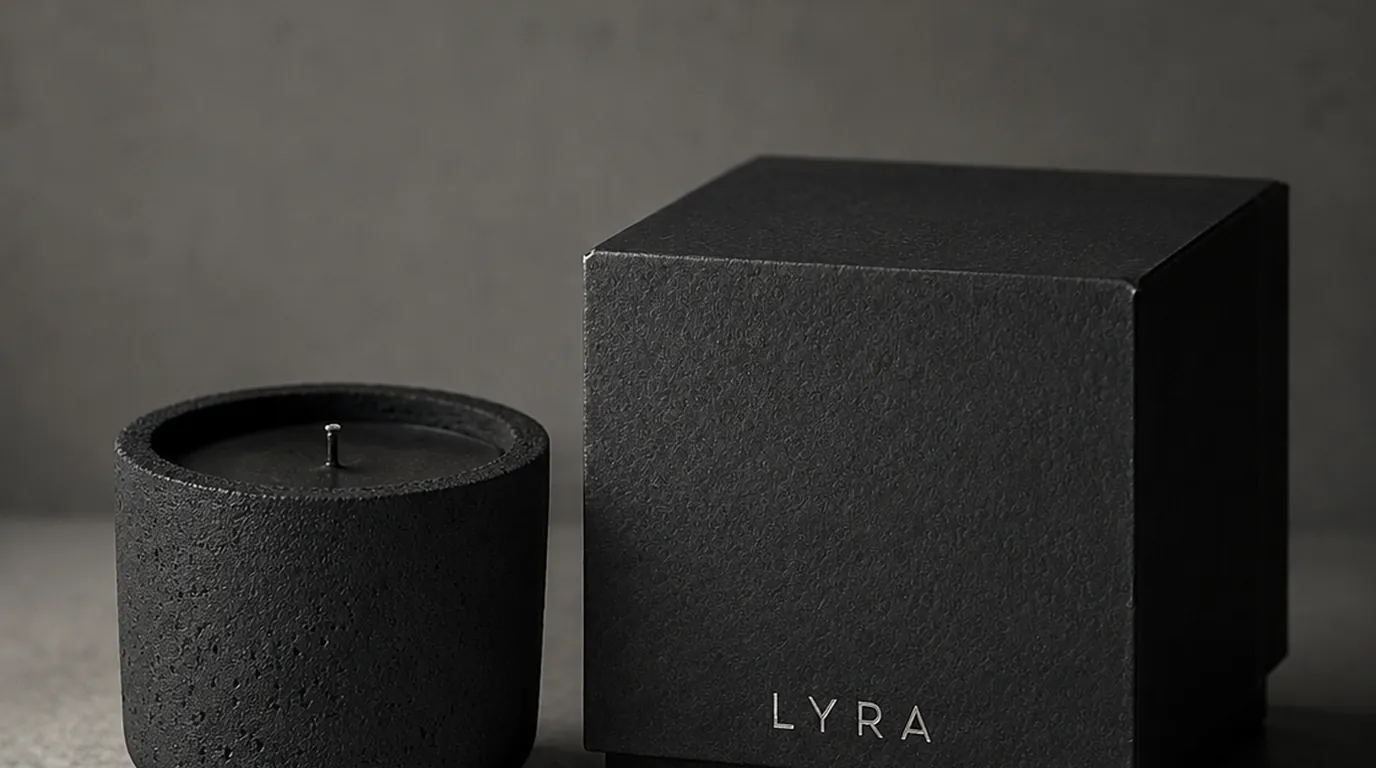
Consider their aesthetic. Look at their home, their clothes, their taste in restaurants. Do they gravitate toward clean lines and neutral colors? A matte, architectural vessel in black or grey. Do they love texture and warmth? A ceramic vessel with visible handwork. The candle should feel like it belongs in their world, not yours.
Consider the occasion. A housewarming gift should feel foundational. Something that helps define the scent identity of a new space. A birthday gift can be more personal, a fragrance that reflects what you know about them. A sympathy gift should be grounding and comforting, nothing bright or stimulating.
Avoid the safe choice. "Vanilla" is the safe choice. "Clean cotton" is the safe choice. These are the scents people buy for themselves when they do not want to think about it. A gift should introduce something they would not have found on their own. A fragrance with depth, with an unexpected note, with a story behind its composition.
The Vessel as the Gift
Here is the insight that transforms candle gifting: the wax is temporary, but the vessel is permanent. When you give someone a candle in a beautiful vessel, you are actually giving them two gifts. The first is the sensory experience that lasts thirty or forty hours. The second is an object for their home that lasts indefinitely.
This changes the value equation entirely. A candle in a mass-produced glass jar is a consumable. A candle in a handmade ceramic or solid concrete vessel is a keepsake. The wax disappears. The vessel becomes a pencil cup, a planter, a small piece of sculpture on their shelf. Every time they look at it, they remember who gave it to them.
This is the kind of gift that builds legacy. Not in a grandiose way. In a quiet, daily way. The best gifts are the ones that integrate into someone's life so completely that they forget they did not choose the object themselves.
01 Andromeda is built on exactly this. Hand-poured soy-blend wax, 6.7 oz, about a forty hour burn, in a cast concrete vessel that gets washed out and used for something else once the wax is gone. Why the material holds up to that is covered in concrete candle vessels.
When a Candle Is the Wrong Gift
Honesty requires acknowledging that candles are not universally appropriate.
Do not give a candle to someone with severe fragrance sensitivities or asthma. No matter how clean the ingredients, combustion produces particles that can trigger respiratory issues.
Do not give a candle to someone who has explicitly told you they do not burn candles. Some people simply do not like open flames in their homes, and that preference deserves respect.
Do not give a candle as a stand-in for effort. If the relationship or occasion calls for something more personal, a candle, however nice, may read as default mode.
The Presentation
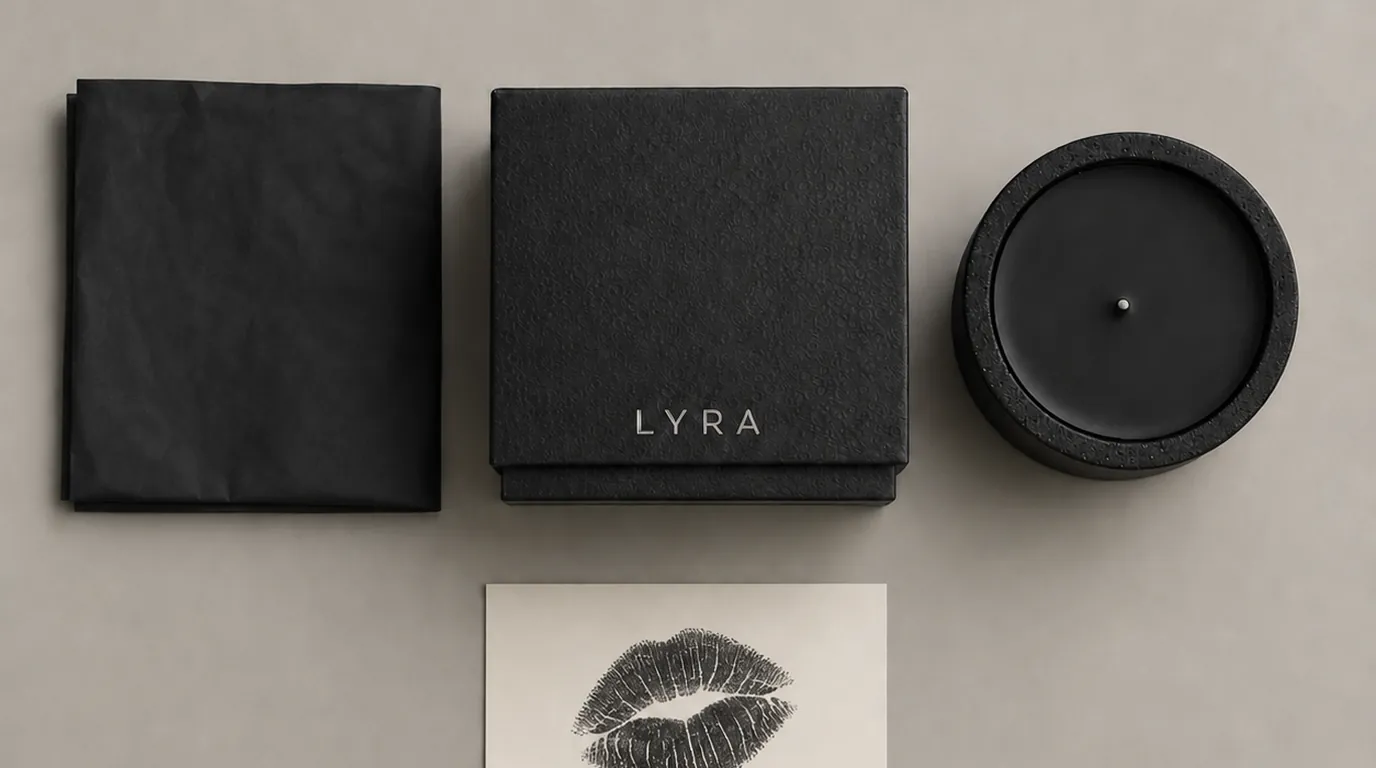
A gift candle should arrive simply. The object itself should do the talking.
If the candle comes in its own box, that is usually enough. Adding a handwritten note elevates any gift more than adding wrapping paper. A single sentence about why you chose this particular scent for this particular person transforms a nice gift into a meaningful one.
Avoid gift bags. They are the wrapping equivalent of a shrug.
If you want to add something, make it useful. A wick trimmer. A matchbox with a beautiful strike surface. A small ceramic plate to set the candle on. These are additions that enhance the gift's purpose rather than just increasing its volume.
Judging that quality from a product page is a skill of its own, and most of the signals are printed on the box if you know what to read. The full checklist is in what to look for when buying a luxury candle.
Price as Signal
In the candle gift market, price communicates something specific. A $15 candle says "I thought of you." A $40 to $60 candle says "I thought about you." The difference is a single word, but the recipient feels it.
This does not mean more expensive is always better. It means the right candle, at the right price point, for the right person, sends a message about the care you put into the choice. A $78 candle made with quality wax in a permanent vessel, given to someone who cares about design, communicates precisely the level of attention you intended.
The key is that the quality is obvious. The recipient should be able to feel the weight of the vessel, smell the complexity of the fragrance, and understand immediately that this is not a checkout-line candle. The gift should announce itself through substance, not packaging.
The Gift of an Introduction
Perhaps the best reason to give someone a great candle is to introduce them to something they did not know they wanted. Most people buy the same candle, or the same type of candle, for years. They have a default. They have never been disrupted from it.
A genuinely excellent candle, one with a fragrance that surprises, a vessel that delights, and a burn that performs, can reset someone's entire relationship with home fragrance. It can show them what they have been settling for. And that kind of revelation, delivered quietly, in a beautiful object, is one of the finest gifts there is.
Lyra's 01 Andromeda makes the kind of first impression that lasts. Black soy wax, concrete vessel, a scent profile built for the people you think of most. See 01 Andromeda.