
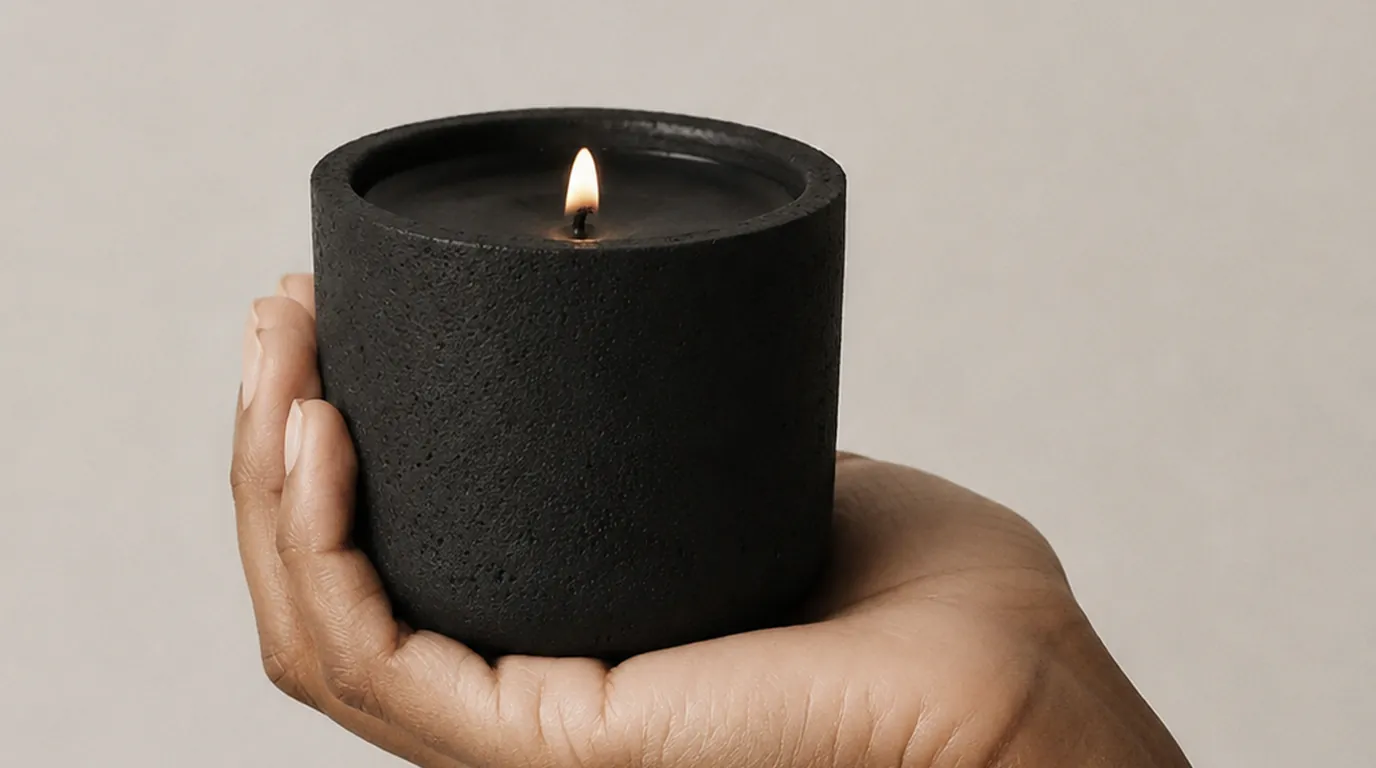
The best night routines are not complicated. They are consistent. And the most underrated ingredient in any wind-down ritual is the one you cannot see: the scent you choose to end your day with.
Your brain is a pattern-recognition machine. Give it the same signals at the same time each evening, dim light, a warm drink, a familiar fragrance, and it will begin preparing for rest before you consciously decide to. This is not meditation. It is not self-care in the Instagram sense. It is neuroscience dressed in ordinary clothing.
Why Scent Works for Wind-Down
The olfactory system connects directly to the limbic brain, which governs emotion and memory. This connection is faster and more visceral than any other sensory pathway. While your eyes and ears process stimulation through multiple relay stations, smell bypasses the queue.
This means a fragrance can shift your emotional state in under two minutes. Warm, grounding scents like sandalwood, amber, and vanilla activate parasympathetic responses: your heart rate slows, your breathing deepens, your muscles release tension they have been holding since lunch.
Clinical research supports this. Studies on the effects of lavender inhalation show measurable decreases in cortisol and blood pressure. Sandalwood has demonstrated similar anxiolytic effects. These are not dramatic interventions. They are gentle, consistent nudges toward calm.
The power is not in any single evening. It is in the repetition. When the same scent accompanies the same wind-down routine night after night, the brain begins to treat the fragrance itself as a sleep cue. Lighting the candle becomes the opening note of rest.
Building the Routine
A scent-centered night routine does not require a lot of steps. In fact, the fewer steps the better. Complexity is the enemy of consistency, and consistency is the only thing that makes a routine work.
Step one: Set a time. Choose a moment each evening when the workday is done and the transition to rest begins. For most people, this is somewhere between 8 and 10 PM. The exact time matters less than the consistency.
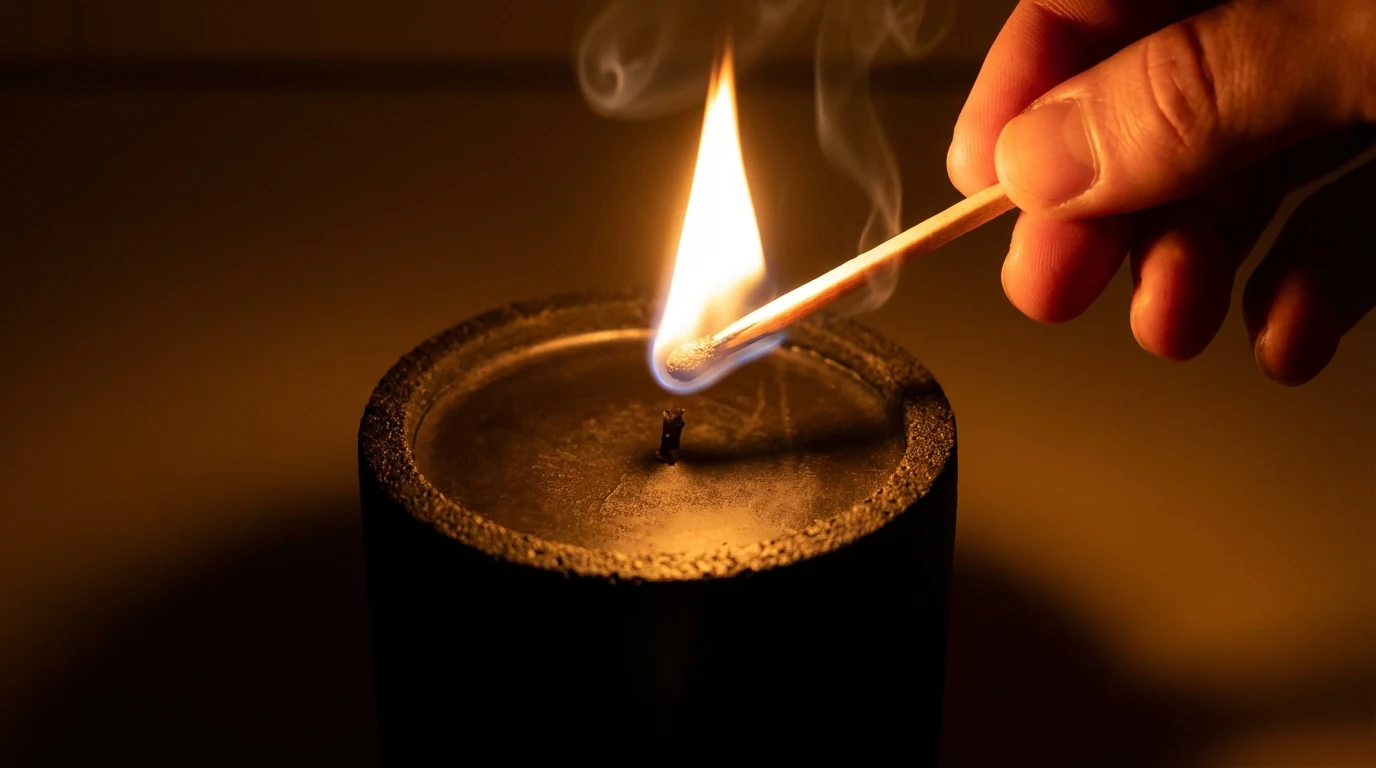
Step two: Light the candle. This is the signal. Not checking your phone one last time. Not turning on the television. The match. The flame. The first curl of smoke. Let the candle burn for at least thirty minutes before bed, enough time for the scent to establish itself in the room and for your brain to register the cue.
Step three: Reduce stimulation. Dim the overhead lights. Switch to warm, low light sources. The candle itself provides one. A small table lamp provides another. The goal is to lower the color temperature of your environment, signaling to your circadian system that the day is ending.
Step four: Engage one other sense. A cup of herbal tea. A warm shower. A few pages of a book. The addition of one tactile or gustatory element alongside the fragrance deepens the ritual without complicating it.
Step five: Extinguish before sleep. Never sleep with a candle burning. Blow it out when you are ready for bed. The wisp of smoke that follows extinguishment carries a final concentrated note of the fragrance into the air, a last olfactory signature as the day closes.
Choosing the Right Scent
Not all fragrances serve the same purpose. A candle for your night routine should follow specific principles.
Grounding over stimulating. Avoid citrus-forward or heavily herbal scents in the evening. These notes are energizing by nature and work against the goal of winding down. Look for base-note-dominant profiles: woods, resins, soft musk, warm amber.
Complex over simple. A one-note lavender candle will work, but it will not hold your interest over weeks and months of nightly use. A fragrance with depth, one that unfolds through layers as it burns, remains engaging without being stimulating.
Moderate throw over heavy throw. Your bedroom does not need to be saturated with scent. A gentle, steady presence is better. You should be able to smell the candle when you walk in, forget about it while you read, and catch a thread of it as you drift off.
Personally meaningful over generically pleasant. The best scent for your night routine is one that already carries positive associations for you. If woodsmoke reminds you of safe, quiet evenings, lean into that. If jasmine reminds you of a garden you loved, choose it. Personal resonance amplifies the calming effect.
01 Andromeda suits the end of the day because smoke, musk and sandalwood sit under the citrus rather than over it. Keep any single burn to about three hours. Why an evening scent attaches itself to a routine at all is explained in why scent memory is powerful.
The Ritual Economy

There is a reason that religious traditions across cultures use incense, oil, and flame to mark the transition between ordinary and sacred time. Fire and fragrance are among the oldest human technologies for altering consciousness. Not in a dramatic way. In a quiet, deliberate, repeatable way.
A candle-centered night routine draws on this same principle. The flame marks a threshold. Before the candle is lit, you are still in the day's current. After, you are somewhere else. The transition is not instantaneous, but it is real. And the fragrance serves as the bridge.
This is not about luxury, though the objects involved can certainly be luxurious. It is about building a reliable mechanism for shifting gears. The most successful people tend to have the most structured transitions between work mode and rest mode. Scent is perhaps the simplest and most ancient tool for making that transition automatic.
What Changes Over Time
Stick with a scent-based night routine for three weeks and something interesting happens. The fragrance itself begins to trigger relaxation before the flame has been burning long enough to scent the room. Your brain, having associated the scent with wind-down so many times, starts the process the moment it detects the first trace of smoke.
This is classical conditioning, the same mechanism Pavlov observed, applied to your benefit. The candle becomes a switch. The scent becomes a signal. And the routine becomes effortless, not because you have disciplined yourself into it, but because your nervous system has adopted it as its own.
At that point, the candle is no longer a product. It is an instrument of daily maintenance. And the cost of a good one, measured against the value of consistent, quality rest, becomes difficult to argue with.
Lyra's 01 Andromeda: sandalwood, amber, and smoke. Built for the transition between day and quiet. lyracalifornia.com.